Introduction
It was a typical day in Mrs. Anderson’s classroom—students seated in rows, flipping through textbooks, and following the same rigid schedule. But Sarah, a quiet student in the back row, struggled to keep up. She’d missed a few days due to illness, and suddenly, the lessons felt like a blur. She wasn’t alone. Many students like her were falling behind, unable to learn at their own pace or engage in the material in a way that worked best for them.
Across the globe, students and teachers face the same challenges. But the world of education is shifting. Virtual classrooms—complete with digital whiteboards and live video—offer a revolutionary way to break down traditional barriers. Students are no longer confined by location or time, and teachers gain new tools to connect more effectively.
In this article, we’ll explore what virtual classrooms are, why they matter, and how they’re reshaping the future of education.
What Is a Virtual Classroom?
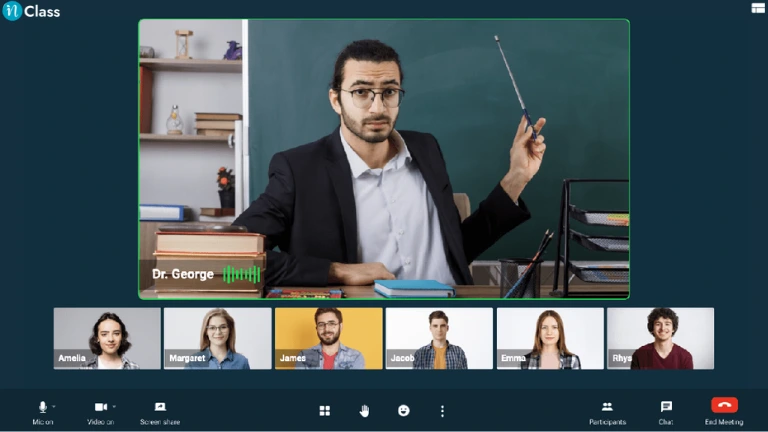
A virtual classroom is a digital learning environment where teachers and students can interact, collaborate, and learn in real time—or on their own schedule—from anywhere in the world. Unlike traditional classrooms, they are not bound by walls or fixed hours.
There are two primary types of virtual classrooms:
Synchronous: Classes are conducted live, with real-time teacher-student interaction.
Asynchronous: Students can access materials and complete assignments at their convenience.
Online vs. Hybrid vs. Traditional Classrooms
Traditional Classrooms involve face-to-face instruction at a fixed location and time. They’re familiar but rigid and often inaccessible to students with unique needs.
Online Classrooms offer remote access to lessons, flexibility in scheduling, and personalized learning opportunities using digital tools.
Hybrid Classrooms combine the best of both: in-person learning and online flexibility, allowing students to engage in ways that suit them best.
Why Virtual Classrooms Matter
Virtual classrooms offer significant advantages over traditional settings:
Accessibility: Students can learn from anywhere.
Flexibility: They can learn at their own pace and schedule.
Engagement: Interactive features boost participation.
Affordability: Cuts down on physical infrastructure and materials.
Reach: Connects students and educators globally.
📊 Studies show 72% of students prefer courses with online options due to their ability to balance learning with personal responsibilities.
Key Features of Virtual Classrooms
Video Conferencing for real-time interaction
Interactive Whiteboards for visual learning
Screen Sharing to enhance collaboration
Chat and Messaging for seamless communication
Breakout Rooms for small group activities
File Sharing to distribute resources efficiently
Assessments & Quizzes for real-time feedback
5 Advantages of Virtual Classrooms
Enhanced Flexibility
Students can join from anywhere, removing barriers related to location and timing.Personalized Learning
Adapts to individual pace and learning styles using interactive tools.Higher Engagement
Features like whiteboards and group chat create a more engaging learning environment.Cost Savings
Reduces transportation, material, and facility costs.Global Connection
Students from different countries can join the same class, promoting diverse perspectives.
Choosing the Right Virtual Classroom Platform
When selecting a virtual classroom tool, consider:
Ease of Use on any device
Customization options for lesson delivery
Scalability to grow with your institution
Affordability that aligns with your budget
Support & Integration with existing systems
Setting Up a Virtual Classroom with inClass
At PeopleLink, we’ve partnered with instaVC to bring you inClass, a powerful cloud-based platform built for virtual learning.
Step 1: Get the Right Tools
Use PeopleLink’s professional-grade hardware (cameras, microphones) for a smooth virtual experience.
Step 2: Sign Up on inClass
Register on the cloud-based platform and access it from any device—no complicated installations.
Step 3: Create Your Virtual Classroom
Easily configure your classroom, upload content, manage live sessions, and engage students with real-time features.
The Future of Virtual Classrooms
Virtual learning is here to stay—and it’s evolving fast. Technologies like Virtual Reality (VR) are taking remote education to the next level, offering immersive experiences and deeper engagement.
As digital tools advance, virtual classrooms will continue to:
Break down geographical and financial barriers
Support personalized learning at scale
Prepare students for a globally connected future